
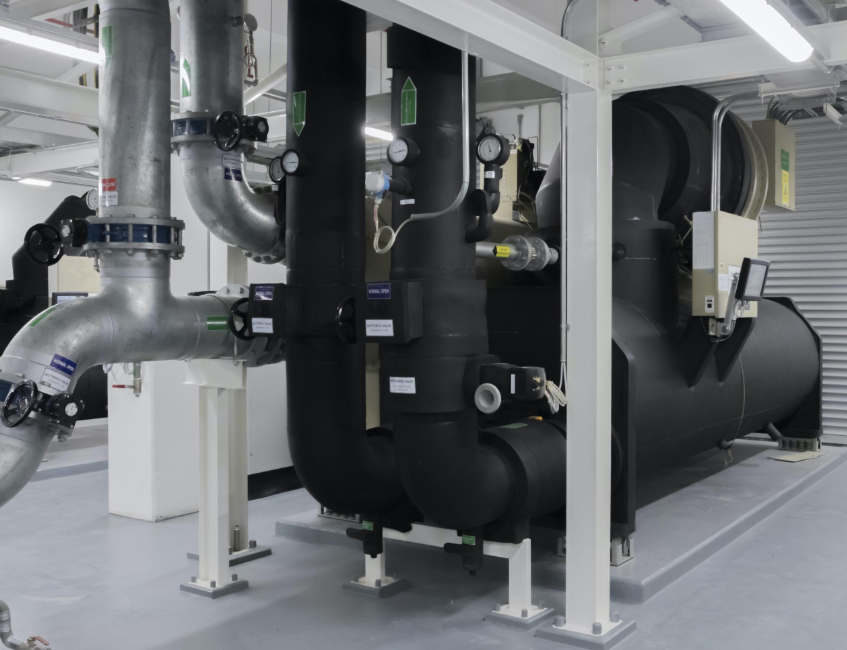
Understanding HVAC Insulation
Insulation is one of the most important components in HVAC (Heating, Ventilation, and Air Conditioning) and refrigeration systems. While equipment such as chillers, air handling units (AHUs), compressors, and ducts often receive the most attention, insulation plays a critical role in maintaining system efficiency, preventing energy loss, and protecting equipment from condensation and temperature fluctuations.
The primary purpose of insulation is to reduce heat transfer between two environments with different temperatures. In cooling applications, insulation minimizes heat gain from the surrounding environment into the chilled medium. In heating applications, it reduces heat loss from hot surfaces to the surrounding air.
A properly designed insulation system improves energy efficiency, enhances occupant comfort, protects building materials, and extends the service life of HVAC equipment.
The Main Functions of HVAC Insulation
1. Reduce Heat Transfer
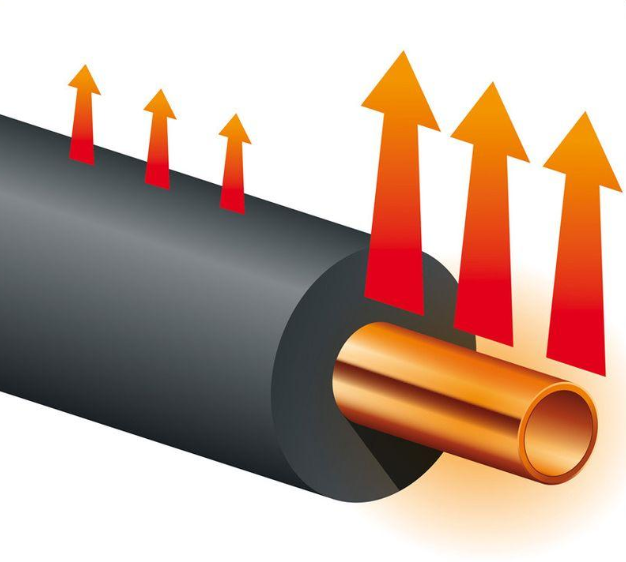
Heat naturally flows from a higher temperature to a lower temperature. Without insulation, chilled water pipes, refrigerant piping, air ducts, and cold storage panels continuously absorb heat from the surrounding environment.
Insulation acts as a thermal barrier, significantly slowing the transfer of heat and helping maintain the desired operating temperature.
Benefits include:
- Lower cooling load
- Improved system efficiency
- Reduced compressor operating time
- Lower energy consumption
2. Prevent Condensation

One of the most important functions of insulation in cooling systems is preventing condensation.
When the surface temperature of a pipe or duct falls below the air's dew point temperature, moisture in the surrounding air condenses into water droplets.
Proper insulation keeps the outer surface temperature above the dew point, preventing:
- Water dripping
- Ceiling damage
- Mold growth
- Corrosion under insulation (CUI)
- Equipment deterioration
A correctly selected insulation thickness is essential for effective condensation control.
3. Improve Energy Efficiency
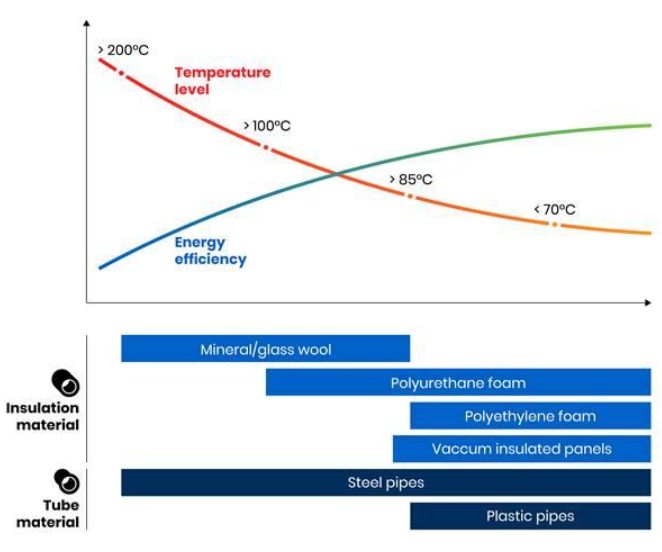
Every degree of unwanted heat entering a cooling system increases the refrigeration load.
Well-insulated HVAC systems require less compressor power, resulting in:
- Lower electrical consumption
- Reduced operating costs
- Increased equipment life
- Lower carbon emissions
Even small reductions in heat gain can produce significant energy savings over the lifetime of the system.
4. Maintain Stable Temperature

Many facilities require strict temperature control, including:
- Pharmaceutical plants
- Food processing factories
- Cold storage warehouses
- Cleanrooms
- Data centers
Insulation helps maintain a consistent operating temperature by minimizing thermal fluctuations caused by the surrounding environment.
5. Reduce Noise

Certain insulation materials also provide acoustic benefits by absorbing sound generated by:
- Fans
- Airflow turbulence
- Compressors
- Mechanical equipment
Acoustic insulation improves occupant comfort, particularly in offices, hospitals, hotels, and commercial buildings.
Common Types of HVAC Insulation
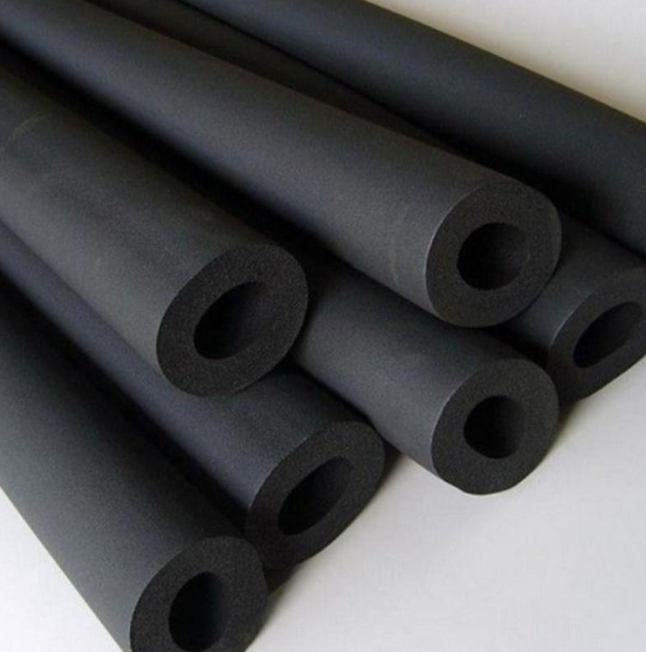
Elastomeric Rubber Insulation
Closed-cell elastomeric insulation is widely used for:
- Refrigerant piping
- Chilled water piping
- Condensate drains
Advantages include:
- Excellent vapor barrier
- High resistance to moisture
- Flexible installation
- Low thermal conductivity
Fiberglass Insulation
Fiberglass insulation is commonly used for:
- Air ducts
- AHUs
- Acoustic applications
Benefits include:
- Good thermal performance
- Excellent sound absorption
- Economical solution
Polyisocyanurate (PIR) Insulation
PIR insulation is widely used in:
- Cold rooms
- Freezer rooms
- Refrigerated warehouses
- Sandwich panels
Advantages include:
- High thermal efficiency
- High compressive strength
- Low thermal conductivity
- Excellent fire performance compared with conventional polyurethane foam
Mineral Wool
Mineral wool insulation is typically used where higher fire resistance and acoustic performance are required.
Typical applications include:
- High-temperature piping
- Boiler rooms
- Exhaust ducts
- Fire-rated duct systems
Key Properties When Selecting Insulation
The performance of insulation depends on several important characteristics:
Thermal Conductivity (k-value)
Lower thermal conductivity indicates better insulation performance because less heat passes through the material.
Insulation Thickness
Increasing insulation thickness reduces heat transfer and improves condensation protection. However, excessively thick insulation may not always be economical, so designers balance thermal performance with installation cost.
Water Vapor Permeability
Materials with low vapor permeability are preferred for cooling systems because they prevent moisture from penetrating the insulation and degrading its performance.
Fire Performance
Depending on building codes and project specifications, insulation materials should meet applicable fire safety requirements regarding flame spread and smoke generation.
Typical Applications
HVAC insulation is commonly installed on:
- Refrigerant piping
- Chilled water piping
- Hot water piping
- Condensate drain piping
- Supply air ducts
- Return air ducts
- Fresh air ducts
- AHUs
- Chillers
- Cold storage rooms
- Freezer rooms
- Process cooling systems
Conclusion
Insulation is a fundamental component of every HVAC and refrigeration system. Its primary functions are to reduce heat transfer, prevent condensation, improve energy efficiency, maintain stable operating temperatures, and, in many applications, provide acoustic and fire protection.
Selecting the appropriate insulation material, thickness, and installation method is essential for achieving long-term system performance and minimizing operating costs. Whether applied to refrigerant piping, chilled water systems, ductwork, or cold storage facilities, properly installed insulation contributes significantly to reliable, efficient, and sustainable HVAC operation.
PT Karya Maja Utama
Your Trusted Partner for MEP & HVACR Solutions